About Jacob McKean
Ecological Restoration & Regenerative Land Consulting in the Hudson Valley
I’m Jacob McKean, an ecological restoration and regenerative land worker and consultant working in the Hudson Valley, Catskills, and greater Upstate New York.
My work focuses on helping people manage land in ways that restore ecological function while also making the land more productive, resilient, and useful to the people who care for it. I’m particularly interested in the intersection of ecological restoration, native plants, regenerative agriculture, agroecology, and food-producing landscapes.
I approach land management as an ecological system rather than a collection of isolated problems. Healthy soils, native plant communities, wildlife habitat, water, agriculture, and human use are interconnected. Good land management should strengthen those relationships rather than work against them.
What I Work On
My interests and consulting work include:
Ecological restoration and habitat improvement
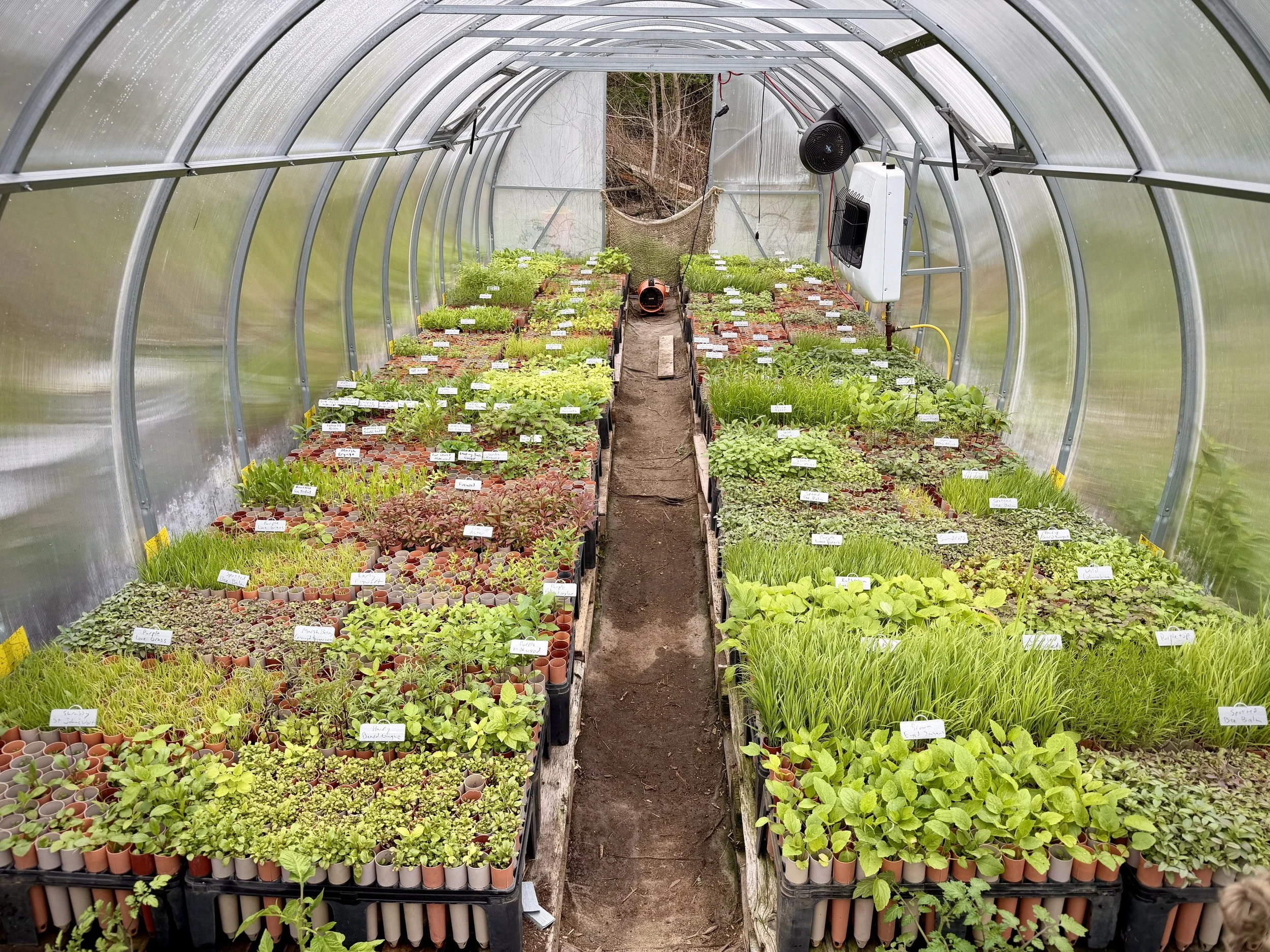
Native plant landscaping and native plant community establishment
Invasive species management
Forest understory restoration
Regenerative agriculture and agroecological practices
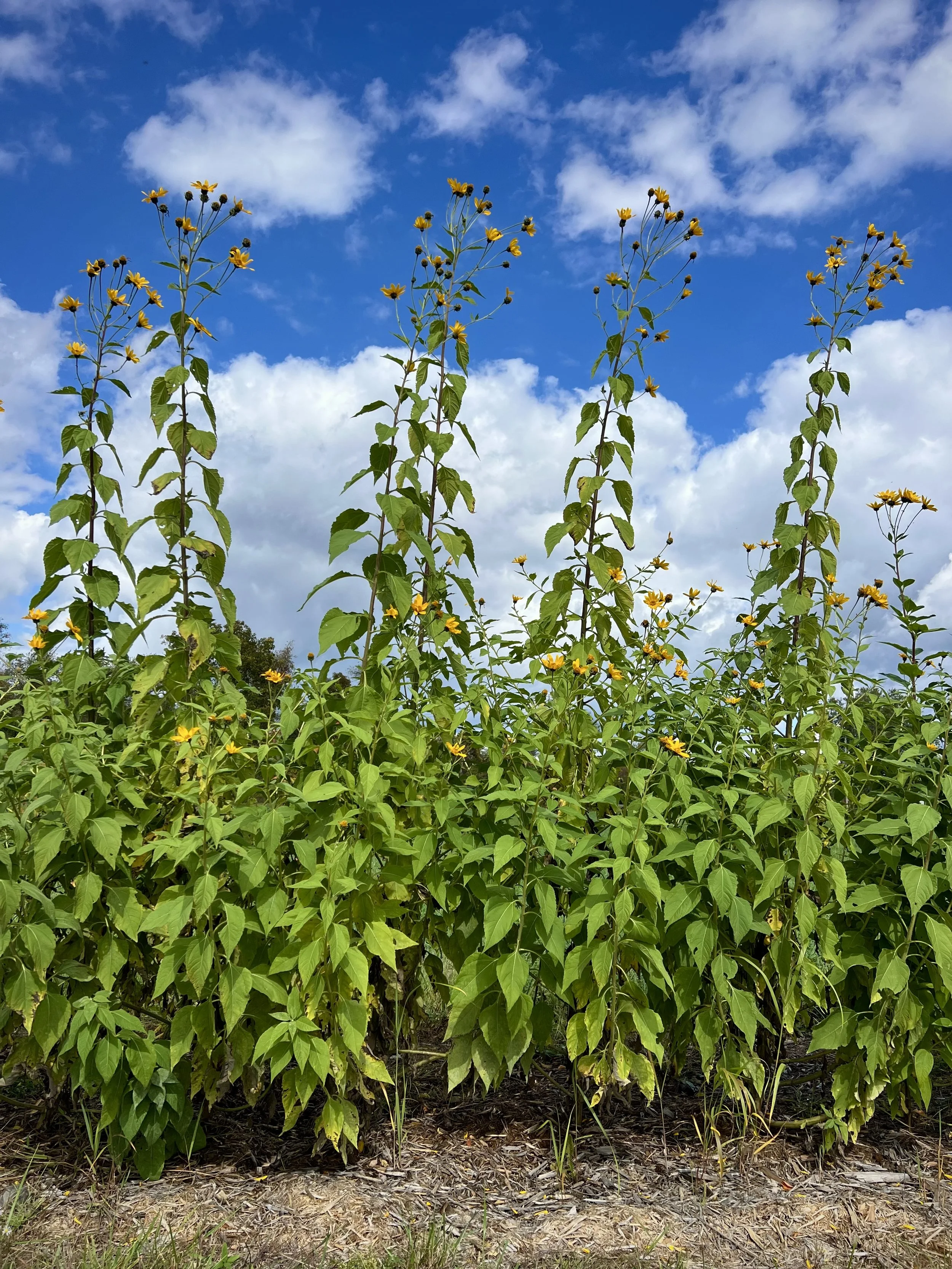
Native edible and food-producing landscapes
Soil health, cover crops, and biological soil management
Pollinator and wildlife habitat
Riparian buffers and water-quality protection
Restoration of degraded or disturbed land
Low-input, perennial, and self-sustaining plant systems
I’m especially interested in practical restoration strategies that can function over the long term without requiring increasingly intensive management. That means looking beyond simply planting native species or removing invasive plants and asking a larger question: what ecological processes need to be restored so that the landscape can increasingly maintain itself?
A Hudson Valley Approach
I’m based in the Hudson Valley and focus my thinking and work on the ecological conditions of New York’s Hudson Valley, Catskills, and surrounding landscapes.
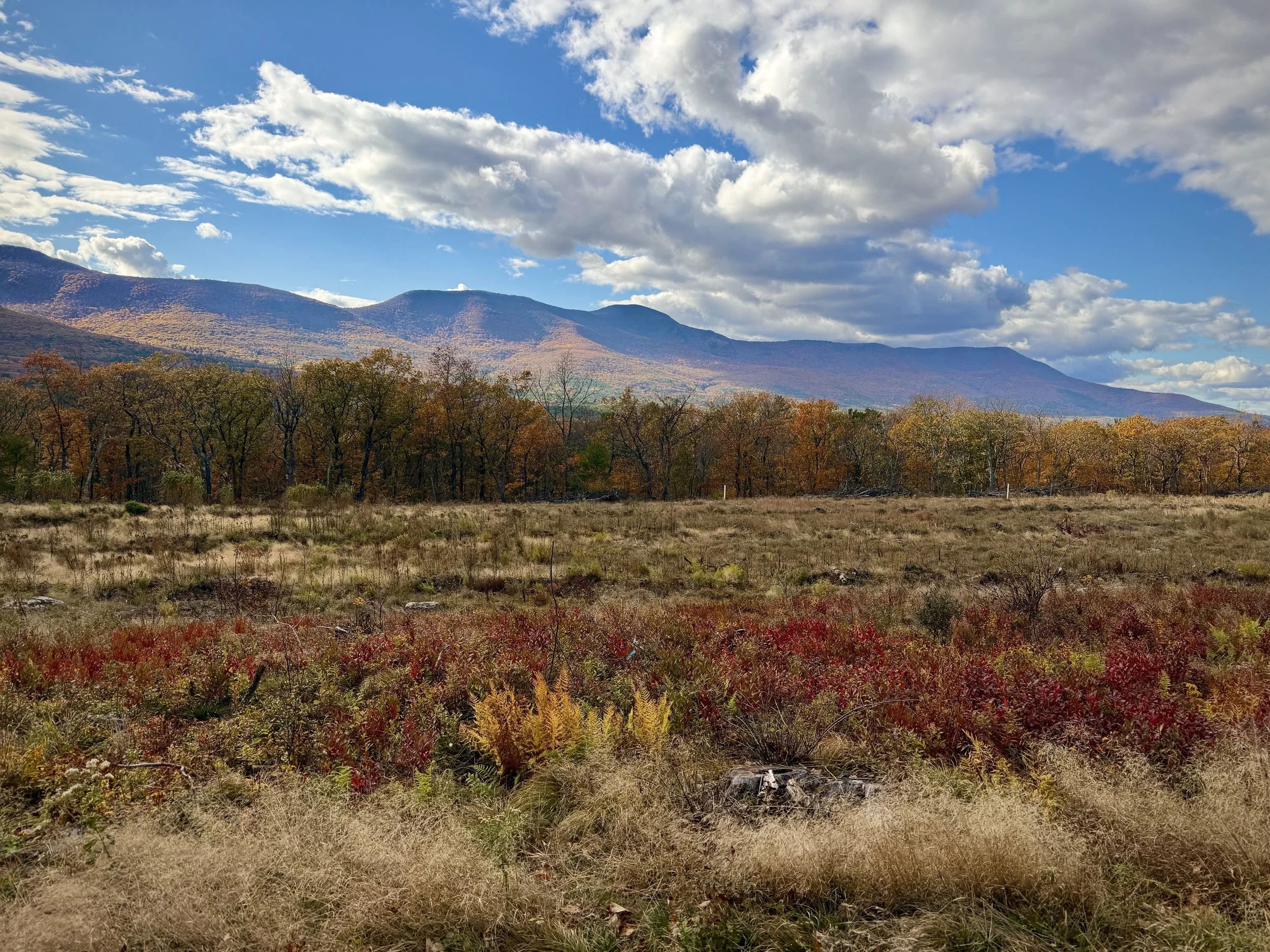
The region has an extraordinary diversity of forests, wetlands, agricultural land, streams, old fields, and disturbed landscapes. It also faces significant challenges from invasive species, deer pressure, habitat fragmentation, soil degradation, development, and changing land-use patterns.
I’m interested in restoration approaches that recognize this regional context. A successful landscape in the Hudson Valley should be appropriate to its soils, hydrology, climate, native plant communities, wildlife, and history.
Restoration That Also Works for People
Ecological restoration doesn’t have to mean putting land off-limits to human use.
Some of the most interesting landscapes are those that simultaneously provide wildlife habitat, food, ecological services, agricultural production, beauty, and opportunities for human use.
That is why much of my work explores perennial food systems, native edible plants, regenerative agriculture, productive forest understories, pollinator habitat, and other approaches that blur the traditional boundaries between conservation and production.
I’m particularly interested in systems that become more ecologically functional over time while requiring less intervention.
Why I Do This
I believe land management should leave ecosystems healthier, more diverse, and more resilient than we found them.
That doesn’t always mean doing more. Often, the most important work is understanding what is already happening on a site, identifying the ecological processes that have been disrupted, and choosing interventions that allow natural succession and biological processes to do more of the work.
My goal is to help landowners, farmers, organizations, and communities make informed decisions about their land—and to develop restoration strategies that are ecologically sound, practical, and achievable.
I’m Jacob McKean, and I work to make land healthier, more productive, and more ecologically functional.
Request a Design Assessment
Submit an inquiry to initiate a comprehensive site evaluation and discover how tailored landscape solutions can enhance your property’s performance and visual impact.